Contact dermatitis
A reaction to something the skin touched. It may be irritant, like a strong cleanser or friction, or allergic, like fragrance, nickel, or a specific cosmetic ingredient.

Dermatitis care | North Vancouver
Dermatitis is an umbrella term for inflamed, reactive skin. We help clients understand what may be driving the reaction and build a gentler routine their skin can stay on.
Each type behaves differently, so the first step is narrowing down what pattern your skin is showing.
A reaction to something the skin touched. It may be irritant, like a strong cleanser or friction, or allergic, like fragrance, nickel, or a specific cosmetic ingredient.
Greasy yellowish flaking on oilier areas such as the scalp, eyebrows, sides of the nose, chest, or beard area. Stress and cold weather often make it worse.
Small bumps and redness around the mouth, nose, or eyes. Heavy creams, fluorinated toothpaste, and topical steroid use on the face can contribute.
The chronic itch-driven form most people call eczema. We cover this in detail on our eczema page.
Dermatitis often means the barrier has been weakened by an ingredient, a habit, a chronic condition, or a combination of all three.
We review cleansers, serums, sunscreen, makeup, toothpaste, and laundry products to look for likely irritants. The culprit is often hiding in plain sight.
Once the trigger is removed, gentle fragrance-free facials can reduce visible redness and reinforce the barrier with ceramides, niacinamide, hyaluronic acid, and panthenol.
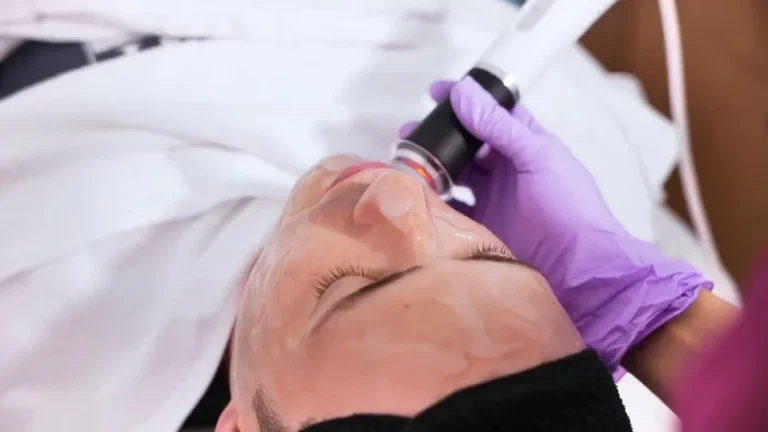
Red and near-infrared LED is a non-invasive option many reactive skins tolerate well, especially when other treatments feel too stimulating.
We build a short routine around a gentle non-foaming cleanser, barrier-supporting moisturizer, and mineral sunscreen, then adjust as the skin changes.
Moderate to severe seborrheic dermatitis, persistent perioral dermatitis, and severe contact reactions may need prescription topical or oral medication. We will tell you directly when that is the right next step.
Explore the service pages that connect most closely with this guide, then book a consultation if you want help choosing the right starting point.
Fragrance-free, barrier-focused care for reactive skin once the active inflammation has settled.
View service pageA gentle skin-refresh option that can be tailored after a sensitivity and barrier assessment.
View service pageFor stable skin, with protocol adjustments or a test patch when dermatitis affects the treatment area.
View service pageIf your skin is reacting and you are not sure why, a consultation is the fastest way to understand your triggers and choose a calm, achievable path forward.