
Dark spots clinically referred to as hyperpigmentation are concentrated areas of excess melanin that appear as flat, discoloured patches ranging from light brown to deep black on the skin’s surface. They can develop on the face, hands, chest, shoulders, and virtually any area exposed to environmental stressors. While dark spots are typically harmless, they can significantly affect skin clarity and confidence. Professional treatments accelerate the fading process far beyond what over-the-counter products can achieve on their own.
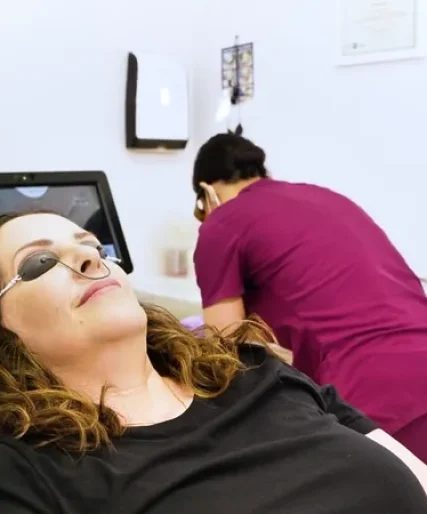

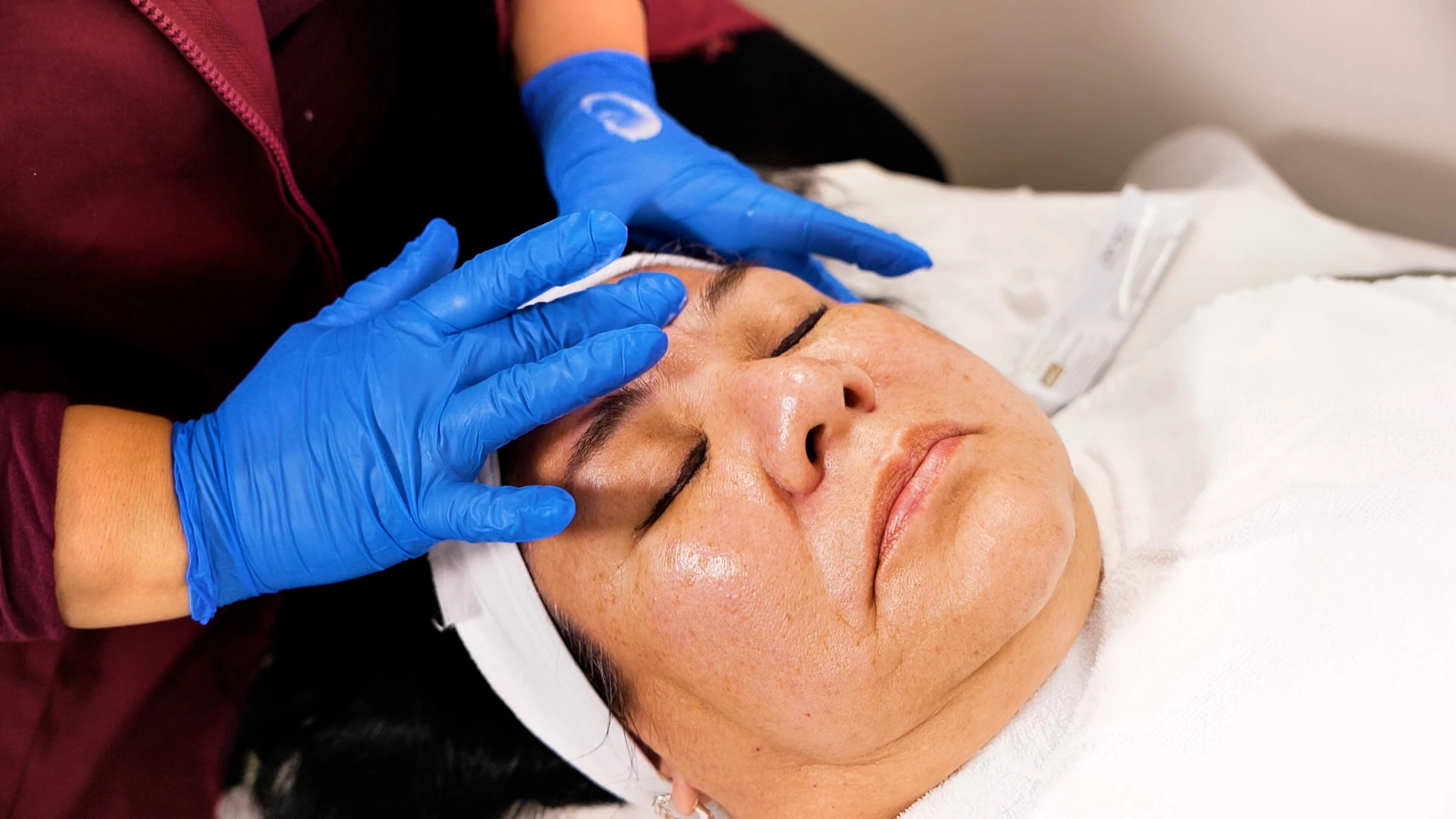
Skin Blossom Pro’s experienced aestheticians specialize in identifying the underlying cause of your dark spots and selecting the most effective treatment pathway for your specific skin type and tone. At our North Vancouver clinic, we use advanced pigment-targeting technologies and clinical-grade formulations that work at the cellular level to break down excess melanin, accelerate skin renewal, and prevent new dark spots from forming. Our approach is deliberate and progressive we prioritize safe, lasting correction over quick fixes that risk irritation or rebound pigmentation.
Dark spots are one of the most common skin concerns we see at Skin Blossom Pro, affecting people across all demographics:
If dark spots are making your skin look uneven despite consistent at-home care, a professional evaluation can pinpoint the best strategy for your unique situation.
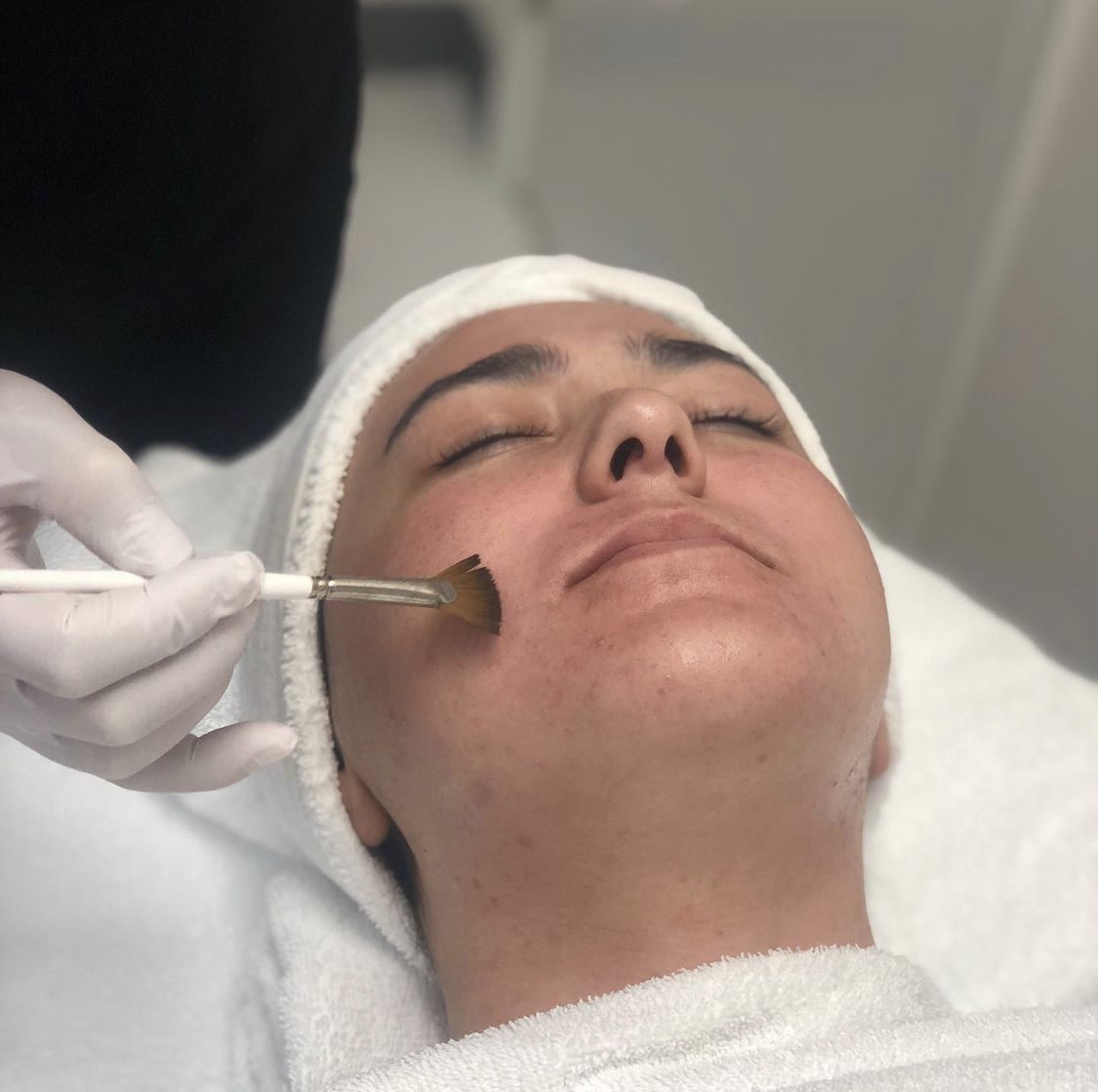
Dark spots form whenever melanocytes are triggered to produce excess melanin in a localized area. The most frequent causes include:
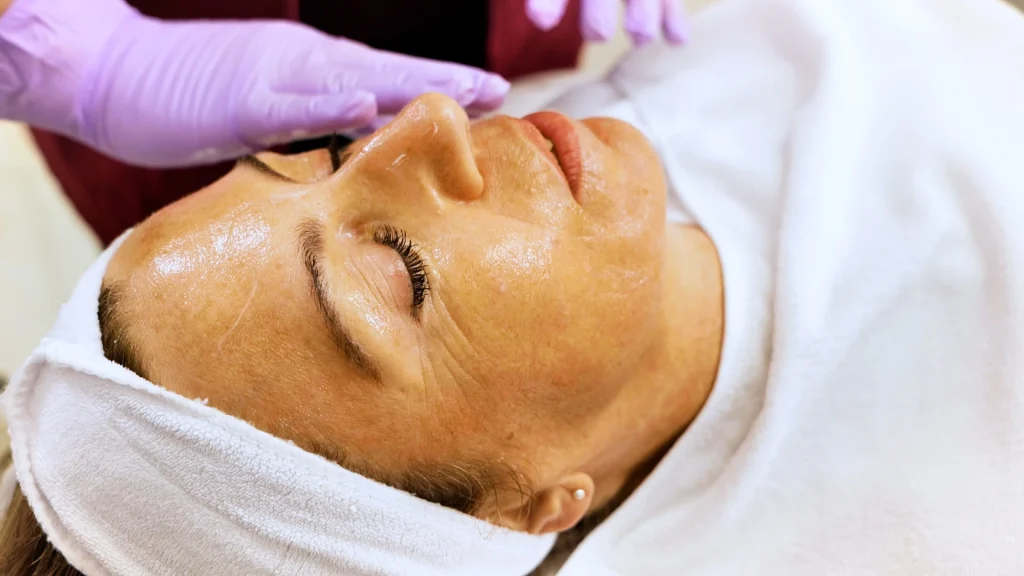

Hyperpigmentation presents in several distinct forms, each requiring a tailored treatment approach:
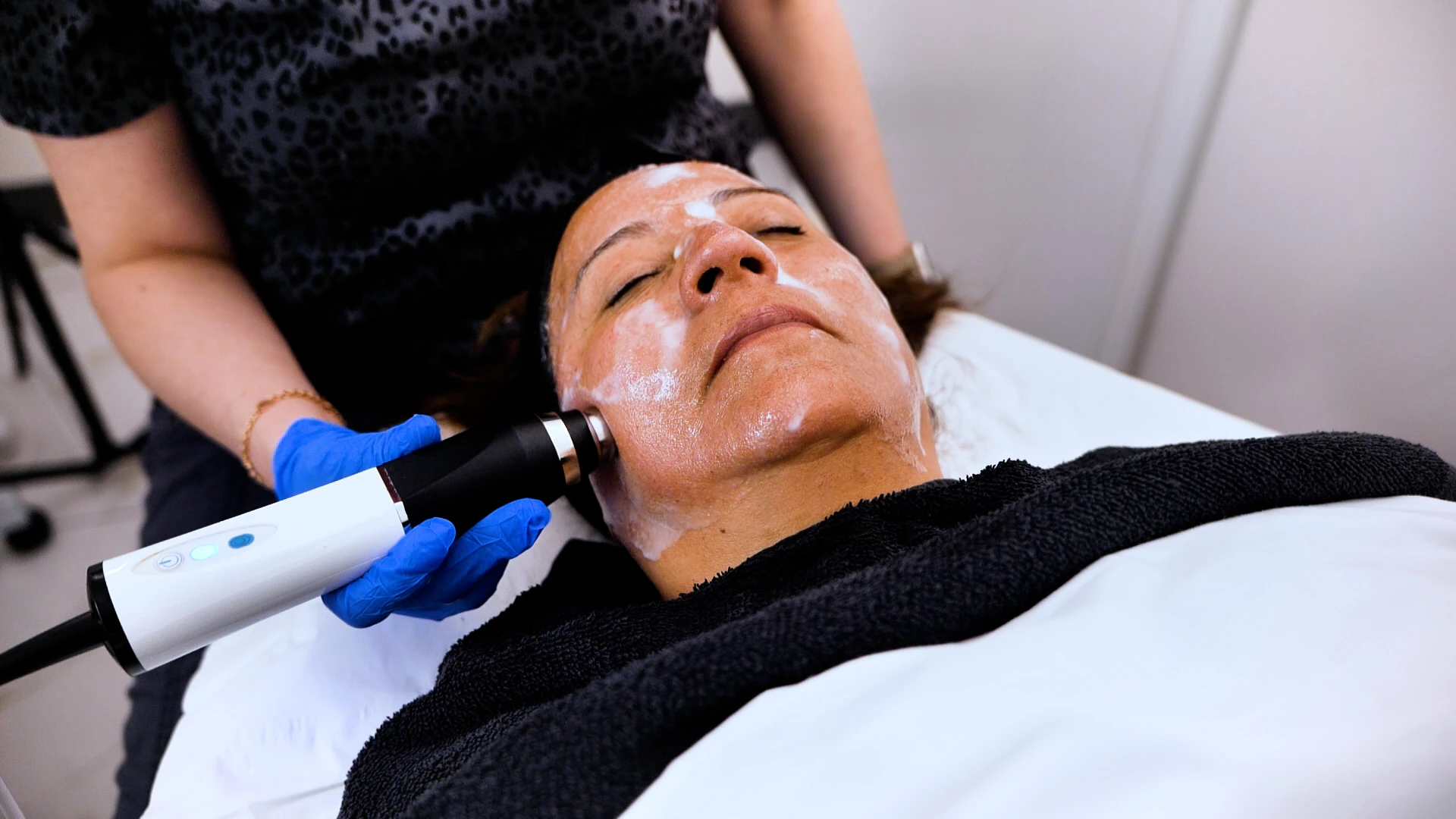
Our North Vancouver team employs multiple evidence-based modalities to fade dark spots effectively and safely:
Stop waiting for dark spots to fade on their own. Book a consultation at Skin Blossom Pro and let our North Vancouver pigmentation specialists create a results-driven treatment plan for clearer, more radiant skin.
Our revolutionary test analyzes specific genes to determine your skin’s ability to balance collagen production and degradation. It also identifies your risk of developing wrinkles, loose skin, pigmentation, and sensitivities.
Based on your unique DNA, this study provides personalized recommendations for the ingredients your creams should contain, the supplements and antioxidants you should take, and the specialized treatments that will work best for you.