What Are Acne Scars?

Acne scars are permanent textural changes and indentations in the skin that remain after inflammatory acne breakouts have healed. Unlike temporary post-acne marks that fade over time, true acne scars involve structural damage to the dermis, the deeper layer of skin where collagen has either been destroyed or overproduced during the healing process. They can appear as pitted depressions, raised bumps, or uneven surface irregularities that affect skin smoothness and clarity. Professional scar revision treatments stimulate the skin’s repair mechanisms to rebuild damaged tissue and restore a more even, refined texture.

Professional Acne Scars Care You Can Trust

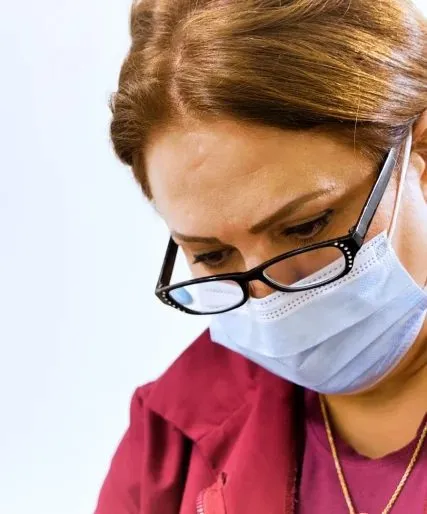
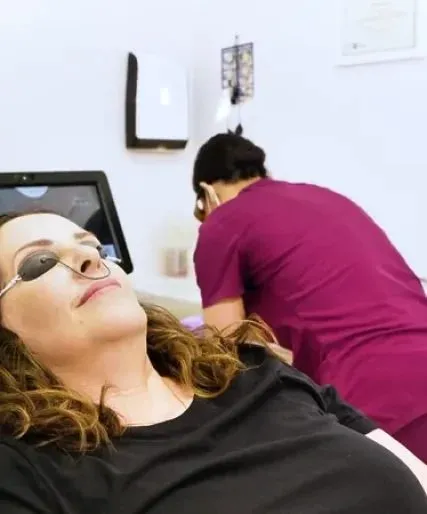
At Skin Blossom Pro, our certified skin specialists bring deep experience in acne scar assessment and treatment to every client at our North Vancouver clinic. We understand that each scar tells a different story, different depths, different shapes, different healing responses and that a one-size-fits-all approach simply does not work. Our team uses a combination of collagen-remodeling technologies, precision resurfacing techniques, and targeted protocols to systematically improve scar texture, depth, and overall skin quality. We set honest expectations and build progressive treatment plans that deliver cumulative results you can see and feel.

Who Gets Acne Scars?

Acne scars can develop in anyone who has experienced inflammatory acne, but certain factors increase the likelihood and severity:

  • Individuals with moderate to severe inflammatory acne Deep, painful cystic and nodular acne causes the most extensive dermal damage and carries the highest risk of permanent scarring.
  • People who picked or squeezed their breakouts Manual manipulation of acne lesions introduces additional trauma, disrupts the natural healing process, and significantly increases the chance of scar formation.
  • Those who delayed acne treatment The longer inflammatory acne goes untreated, the more damage accumulates in the dermis, increasing both the number and severity of resulting scars.
  • Individuals with a genetic tendency toward scarring Some people’s skin produces collagen irregularly during wound healing, making them more prone to either atrophic (pitted) or hypertrophic (raised) scars.
  • Darker skin tones While acne scars affect all skin types, individuals with more melanin-rich skin are additionally susceptible to post-inflammatory hyperpigmentation that compounds the visual impact of scarring.

If acne scars are affecting your skin confidence, professional treatment can make a transformative difference in texture and smoothness.
Common Causes of Acne Scars

Acne scars form when the skin’s normal healing response to deep inflammation goes awry:

Chemical Peel North Vancouver

Types of Acne Scars We Treat

Acne scarring presents in several distinct morphological categories, each requiring a specific treatment approach:

  • Ice pick scars Deep, narrow, sharply defined pits that extend into the dermis like a puncture wound. They are typically the most challenging scar type to treat due to their depth and narrow diameter.
  • Boxcar scars Broad, rectangular depressions with well-defined vertical edges and a flat base. They range from shallow to deep and give the skin a pockmarked or cratered appearance.
  • Rolling scars Wide, undulating depressions with sloped edges that create a wave-like unevenness across the skin surface. They result from bands of scar tissue pulling the epidermis downward.
  • Hypertrophic scars Raised, firm scar tissue that forms above the skin’s surface within the boundaries of the original acne lesion, resulting from excess collagen deposition during healing.
  • Keloid scars Thick, raised scar tissue that extends beyond the original wound boundary, continuing to grow over time. Keloids are more common in darker skin tones and on the chest, back, and jawline.
  • Post-inflammatory erythema and hyperpigmentation While technically not scars, persistent red or dark marks left after acne often accompany true scarring and are addressed as part of a comprehensive scar treatment plan.
  •  

Advanced Acne Scars Treatments at Skin Blossom Pro

Our North Vancouver clinic offers a full spectrum of professional-grade treatments designed to rebuild damaged skin and reduce acne scar visibility:

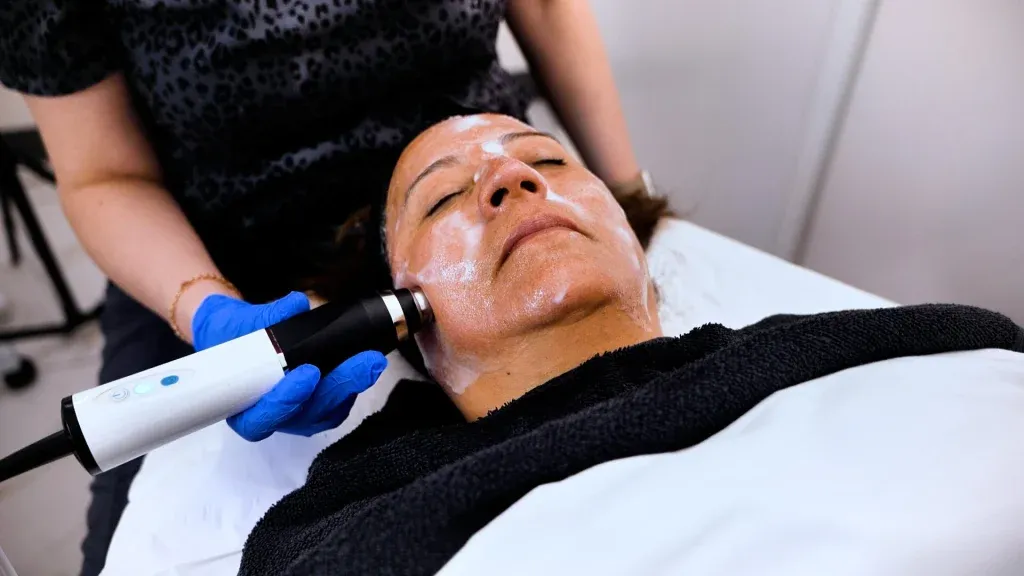
  • RF Microneedling Radiofrequency energy paired with precision microneedles delivers targeted thermal stimulation deep into scar tissue, triggering intense collagen remodeling that fills in atrophic scars, smooths texture, and rebuilds dermal density from the ground up.
  • Microneedling Controlled micro-injuries across the scarred skin surface initiate the body’s natural wound-healing cascade, producing new collagen and elastin that gradually elevates depressed scars and refines overall skin texture.
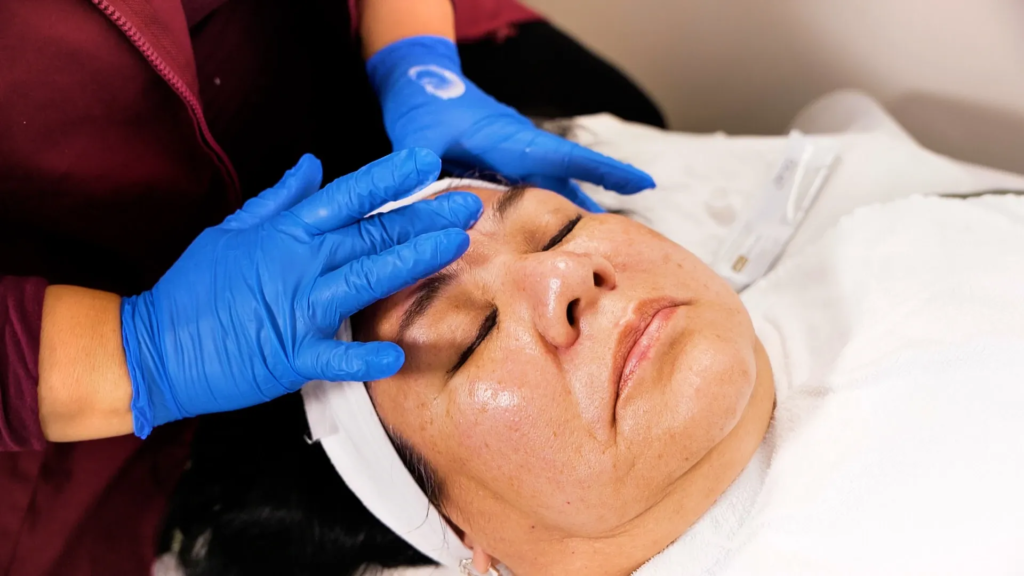
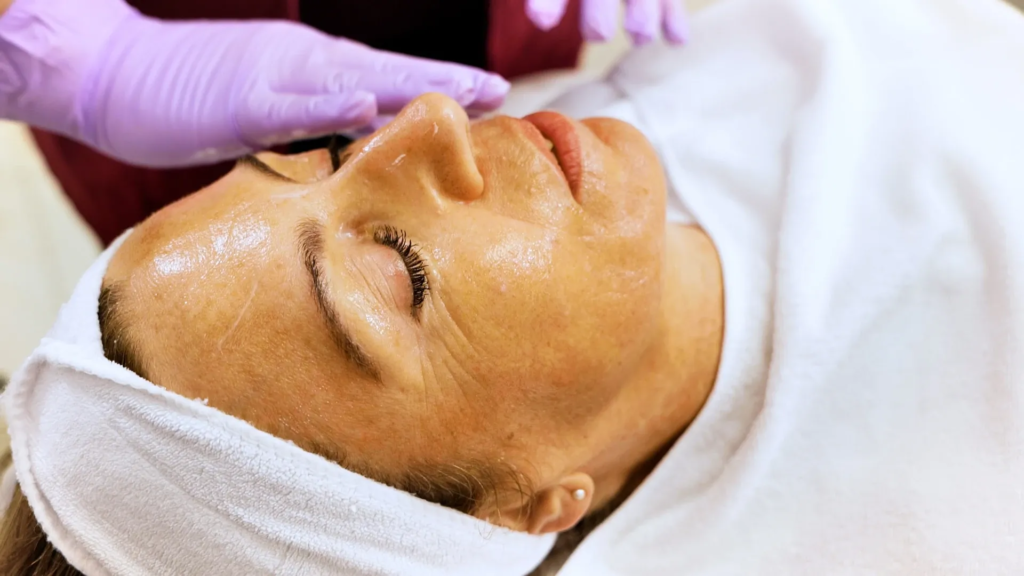
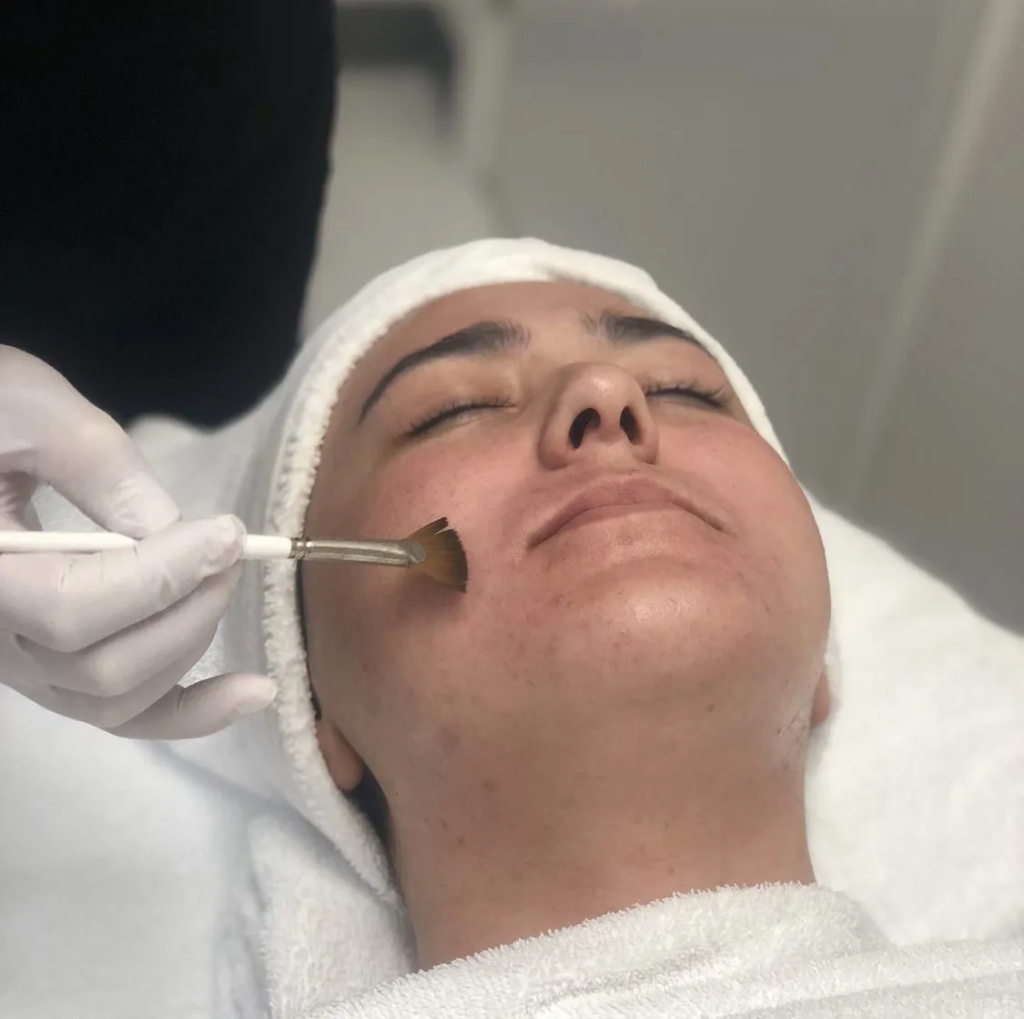
  • Chemical Peels Progressive chemical exfoliation removes damaged surface cells, accelerates cellular turnover, and smooths the skin’s texture, making superficial scars less visible and enhancing the results of deeper treatments.
  • LED Light Therapy Red and near-infrared wavelengths reduce residual inflammation, stimulate fibroblast activity, and accelerate tissue repair, supporting faster recovery between treatments and promoting healthier scar remodeling.
  • Acne Facials Specialized facials designed for acne-prone and post-acne skin clear residual congestion, calm inflammation, and prepare the skin for more intensive scar treatments, an essential maintenance step in any long-term scar revision plan.
  • IPL Photofacial Intense pulsed light targets the redness and discoloration associated with post-inflammatory erythema and hyperpigmentation, evening out skin tone so that textural improvements from other treatments are more visually impactful.

Your acne is behind you, let your scars be too. Book an acne scar consultation at Skin Blossom Pro and let our North Vancouver specialists create a comprehensive treatment plan to restore smoother, clearer skin.

Lab Results You Can Depend On

Our revolutionary test analyzes specific genes to determine your skin’s ability to balance collagen production and degradation. It also identifies your risk of developing wrinkles, loose skin, pigmentation, and sensitivities.

Based on your unique DNA, this study provides personalized recommendations for the ingredients your creams should contain, the supplements and antioxidants you should take, and the specialized treatments that will work best for you.