
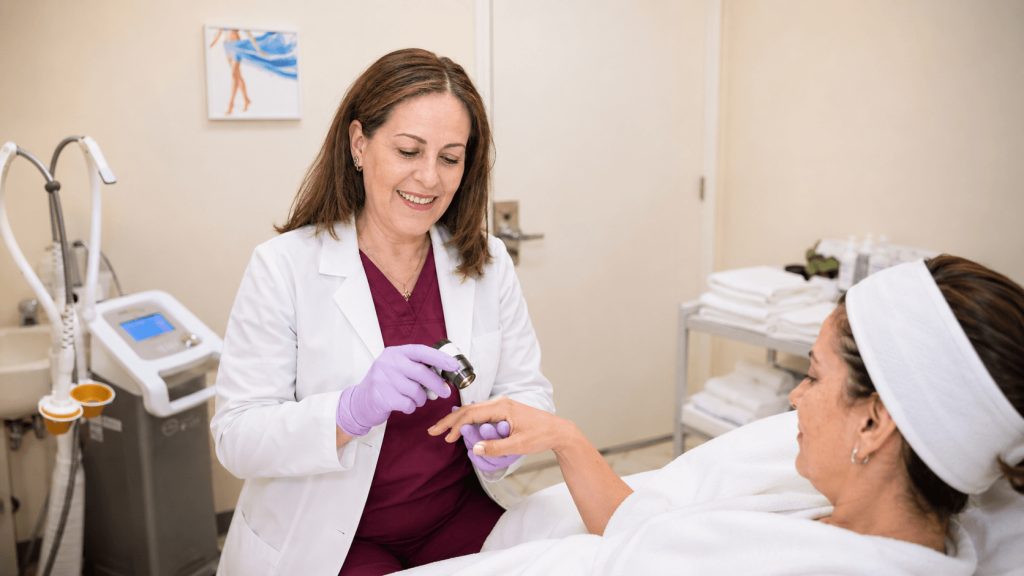
Skin fungus treatment in North Vancouver starts with a correct diagnosis. At Skin Blossom Pro, dermatologist Dr. Claudia Munoz assesses itchy, scaly or discoloured patches, identifies whether the cause is a fungal infection such as ringworm, athlete’s foot or tinea versicolor, and explains the treatment that fits your skin.
Fungal rashes are easy to confuse with eczema, dermatitis and keratosis pilaris. They itch and scale in similar ways, so photographs and guesswork are not enough. Treating the wrong condition costs weeks and can make the rash spread.
Skin Blossom Pro has served North Vancouver since 2018 from 103-814 W 15th St, North Vancouver, BC V7P 1M6. Call 604-670-3311 to book an assessment.
Last updated September 8, 2026. Reviewed by Dr. Claudia Munoz, Dermatologist.
A dermatologist confirms whether the rash is fungal or one of the conditions that mimics it.
Ringworm, athlete's foot, tinea versicolor and nail fungus each follow a different plan.
Aftercare and barrier support for the damp North Shore climate that helps fungus thrive.
Fungal skin infections are common: they affect up to 20 to 25 percent of people worldwide at any given time, according to Cleveland Clinic. Most involve dermatophytes, the group of fungi behind ringworm and athlete’s foot, or an overgrowth of Malassezia yeast that already lives on the skin.
The treatment depends on which one you have and where it sits. Limited patches on the body usually respond to topical antifungal medication used for about two to four weeks. Infections in the nails or scalp behave differently and generally need oral prescription medication, because creams cannot reach the fungus under a nail plate or inside a hair follicle. That distinction is the single most useful thing an assessment gives you.
North Vancouver adds its own pressure. Wet trail shoes from Grouse and Mount Seymour, damp gym bags, shared change rooms and eight months of rain keep skin warm and moist, which is exactly what dermatophytes need. Fungal infections here often come back through footwear and towels rather than because the medication failed.
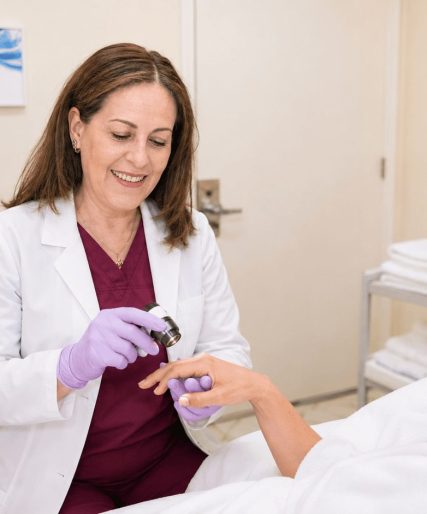
At your appointment, Dr. Claudia Munoz examines the affected skin, reviews what you have already tried and explains the treatment route and what it costs. If your case needs prescription medication or a family physician’s involvement, you will be told that directly rather than sold a treatment that will not help. For background reading, see the American Academy of Dermatology’s ringworm guide.
The right approach depends on the diagnosis

Book online through the Skin Blossom Pro booking page or call 604-670-3311 and describe the area affected so the clinic can allocate the right appointment length.
Steroid creams are the most common reason a fungal rash gets worse. They calm the itch while letting the fungus spread, which produces the altered, hard to recognize picture clinicians call tinea incognito.
Contact the clinic or your family doctor if the rash spreads, weeps, becomes painful, or has not improved after the full course. Further reading: HealthLink BC on ringworm of the skin.
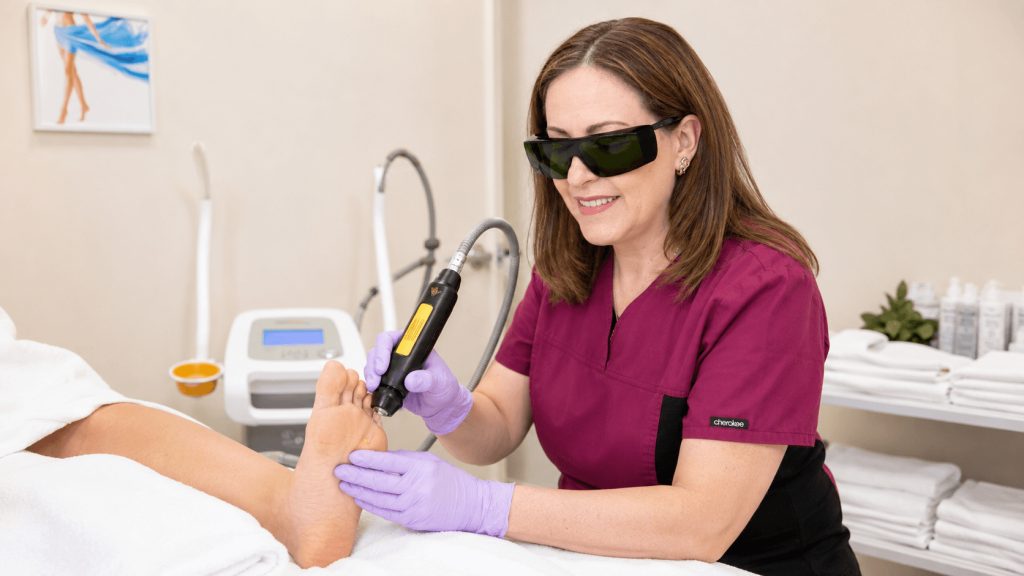
Cost depends on the assessment and what the treatment turns out to be, so Skin Blossom Pro quotes it at consultation rather than advertising a flat price. Call 604-670-3311 for current consultation fees and what is included. Prescription antifungal medication is billed separately by your pharmacy and may be partly covered by extended health benefits.
Ringworm on the body usually needs about two to four weeks of topical antifungal treatment, and athlete’s foot often takes a similar course. Nail fungus is far slower because the nail has to grow out, which can take several months. Tinea versicolor clears quickly but the uneven skin tone can take months to even out after the yeast is gone.
No. Ringworm is an infection caused by fungus, while eczema is an inflammatory condition of the skin barrier. Both itch and scale, so they are regularly mistaken for each other. The difference matters because the steroid creams used for eczema make a fungal infection spread. If the cause is unclear, have the rash examined before treating it.
It depends on the type. Ringworm and athlete’s foot spread through skin contact and through shared towels, mats, footwear and change room floors, including from pets. Tinea versicolor does not spread between people, because it comes from yeast already living on your own skin. Knowing which one you have tells you whether the household needs precautions.
Not on an undiagnosed rash. Hydrocortisone and stronger steroid creams reduce redness and itching while allowing the fungus to keep growing, which makes the infection larger and harder to recognize later. If you have already used one, bring it to your appointment and mention how long you applied it. Do not start another cream until the rash is identified.
Seek prompt medical care for a rash that is painful, rapidly spreading, blistering or weeping pus, or that comes with a fever. A rash involving the eyes, mouth or genitals, or any rash with difficulty breathing, needs urgent care. Scalp and nail involvement, diabetes, or a rash that has not responded to over the counter treatment all warrant a professional assessment.

You deserve a healthy life, and the key to a health life begins skin deep. With our Skin DNA service, you can learn all there is to know about your skin, and develop the right skincare routine for you.
Our revolutionary test analyzes specific genes to determine your skin’s ability to balance collagen production and degradation. It also identifies your risk of developing wrinkles, loose skin, pigmentation, and sensitivities.
Based on your unique DNA, this study provides personalized recommendations for the ingredients your creams should contain, the supplements and antioxidants you should take, and the specialized treatments that will work best for you.