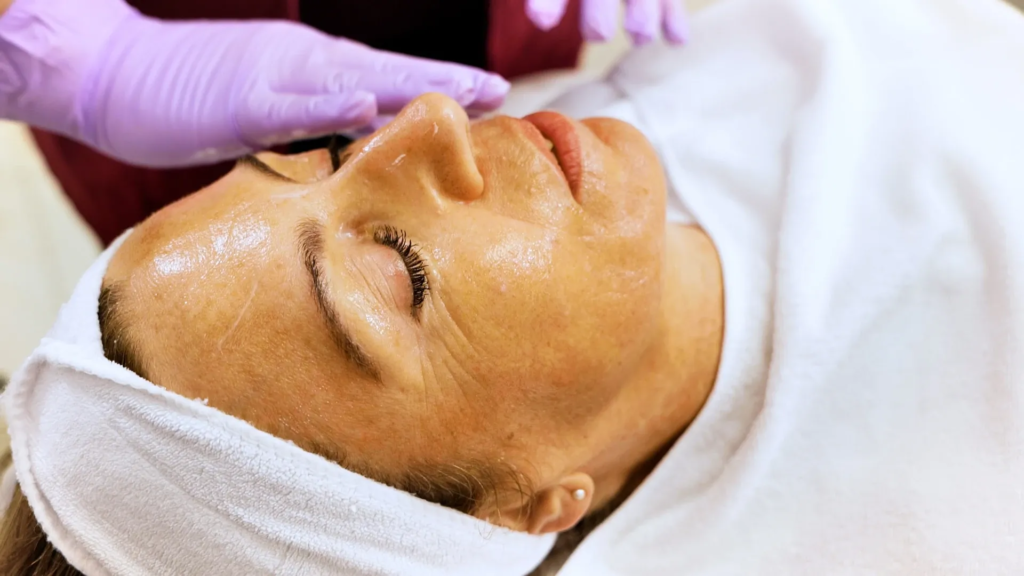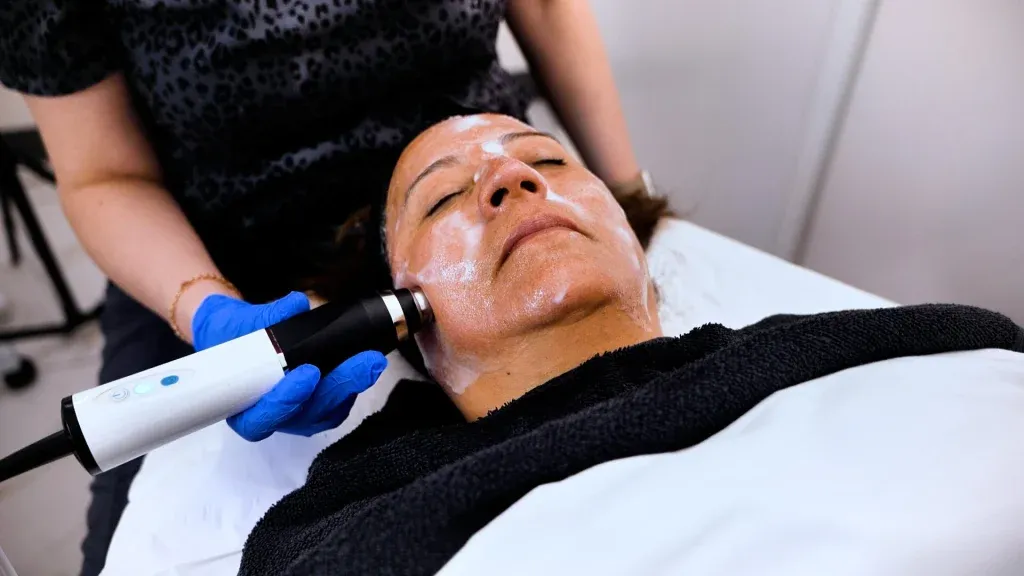
What Is Under-Eye Dark Circles?


Who Gets Under-Eye Dark Circles?
Under-eye dark circles are one of the most universal skin concerns, crossing every age group and demographic:
- People with thin or fair skin When the skin beneath the eyes is particularly thin or translucent, underlying blood vessels show through more readily, creating a bluish or purple discolouration.
- Individuals with deeper skin tones Excess melanin production around the orbital area is more common in darker complexions, resulting in brown or black periorbital hyperpigmentation.
- Adults experiencing age-related volume loss As facial fat pads shift and bone structure subtly recedes with age, hollows develop beneath the eyes that cast shadows and deepen the appearance of dark circles.
- Allergy and sinus sufferers Chronic nasal congestion dilates blood vessels beneath the eyes, contributing to persistent vascular dark circles often called “allergic shiners.”
- Those with genetic predisposition Periorbital hyperpigmentation runs strongly in families, with some individuals developing noticeable dark circles as early as childhood.
If your under-eye circles persist regardless of how much sleep you get, it is time for a professional assessment that looks beyond surface-level solutions.
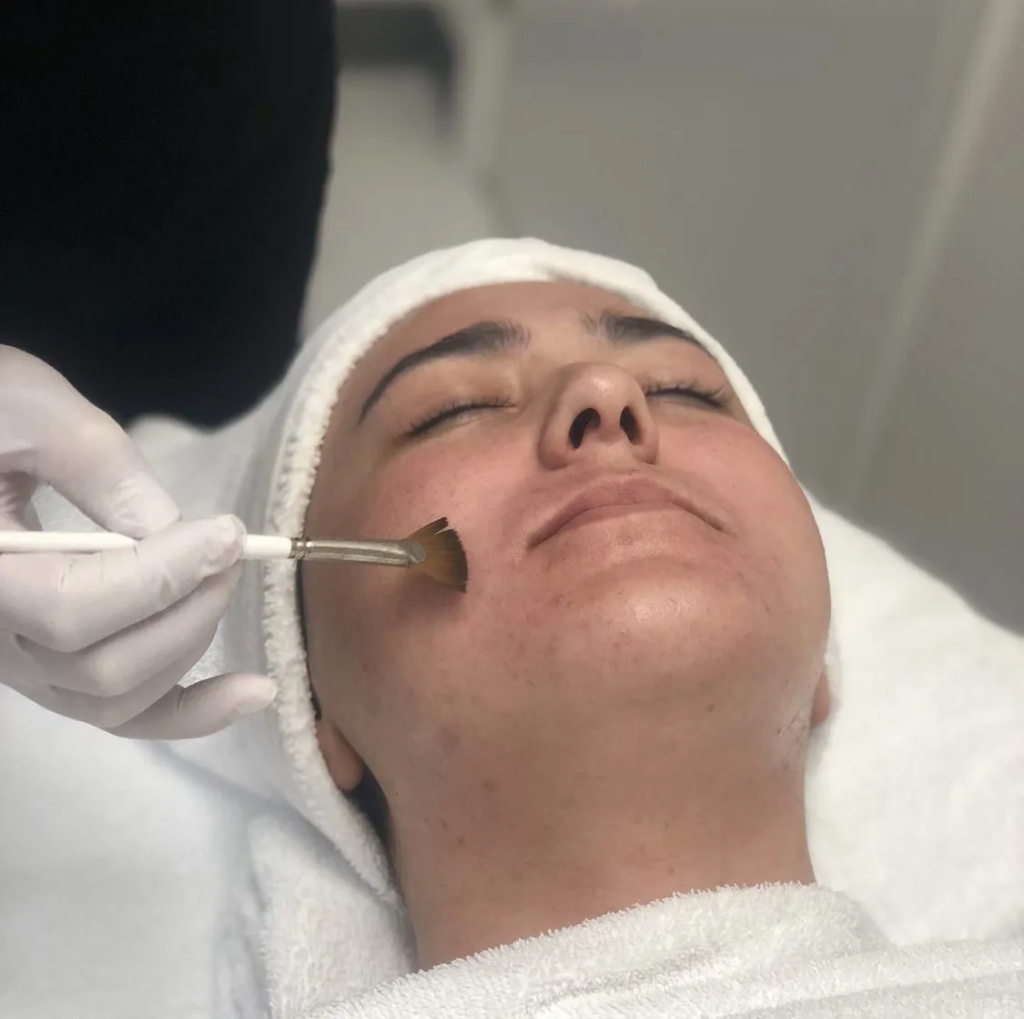
Common Causes of Under-Eye Dark Circles
- Vascular congestion Sluggish blood flow and dilated capillaries beneath the thin periorbital skin create a pooling effect that shows through as bluish-purple discolouration.
- Periorbital hyperpigmentation Excess melanin deposits in the skin surrounding the eye can create brown or dark discolouration that is independent of vascular causes and often hereditary.
- Volume loss and hollowing As the fat pad beneath the eye diminishes and the tear trough deepens with age, shadows form in the resulting hollow, making dark circles appear more pronounced.
- Skin thinning Collagen and elastin loss over time makes the already-delicate undereye skin even thinner and more translucent, allowing subcutaneous structures to become increasingly visible.
- Lifestyle and environmental factors Chronic sleep deprivation, dehydration, excessive screen time, alcohol consumption, and high sodium intake can all temporarily or chronically worsen under-eye darkening.
- Allergies and inflammation Histamine-mediated responses cause blood vessel dilation and fluid accumulation around the eyes, while habitual eye rubbing can compound pigmentation through friction-induced inflammation.