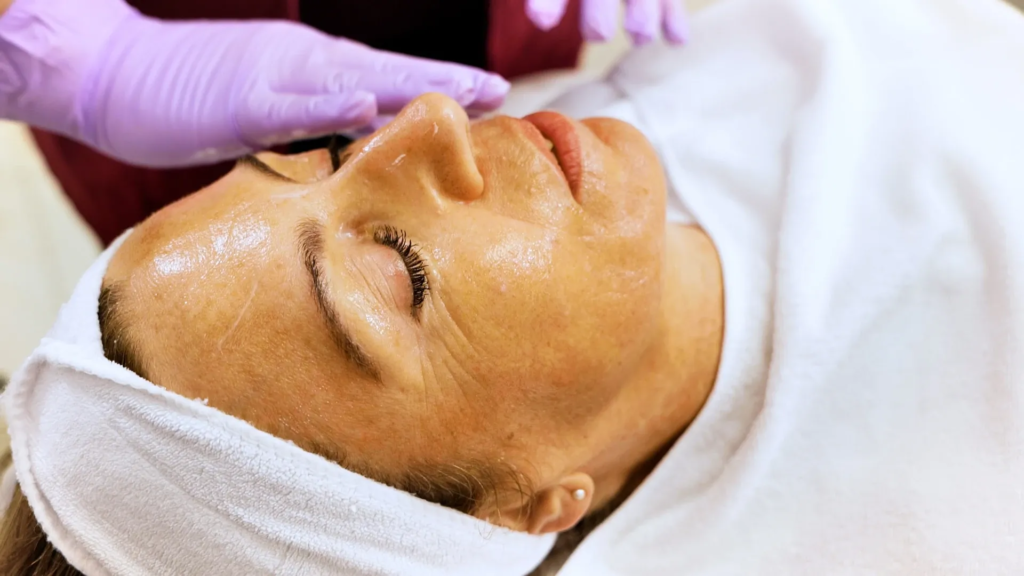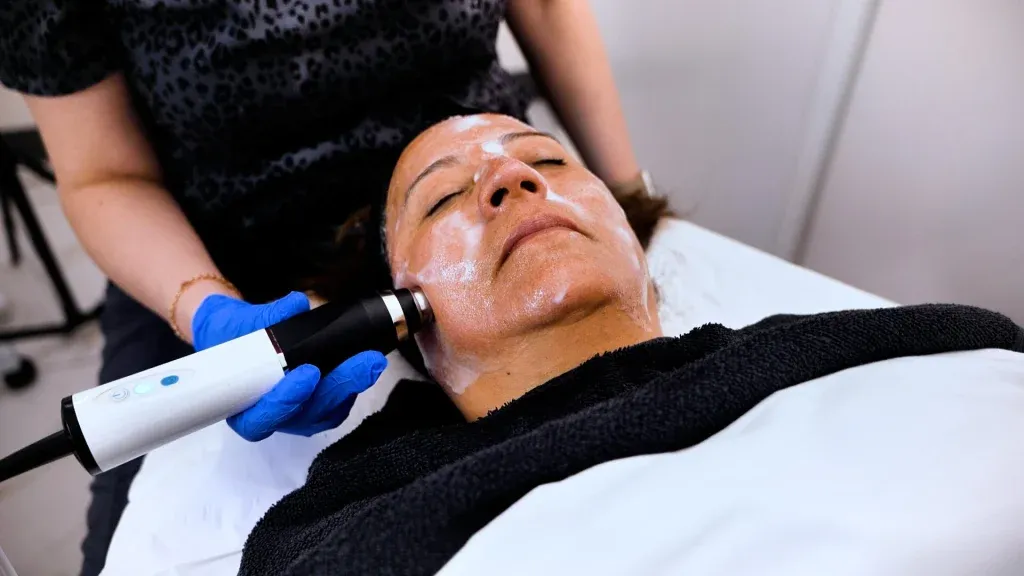
What Are Dark Spots?

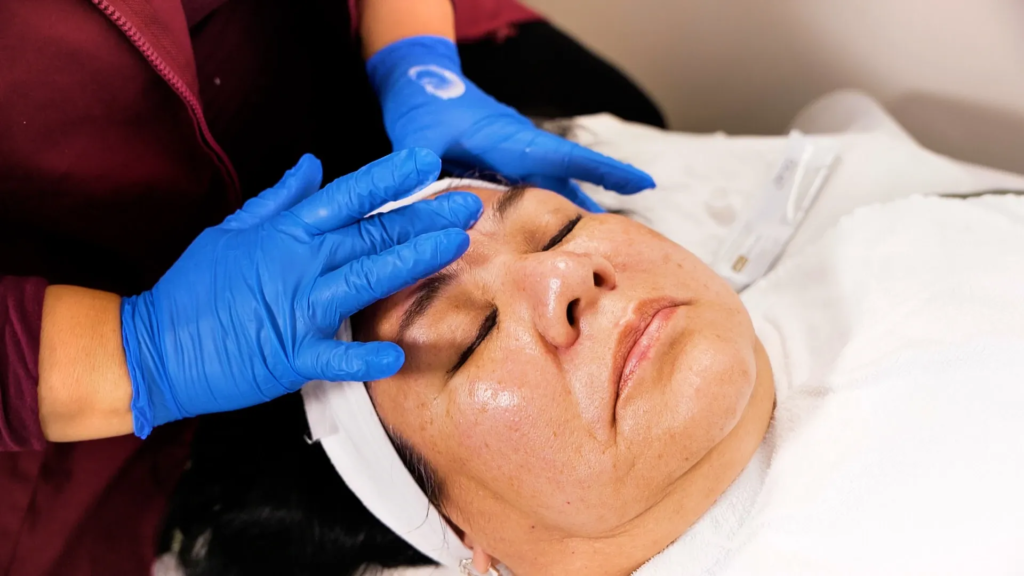
Who Gets Dark Spots?
Dark spots are one of the most common skin concerns we see at Skin Blossom Pro, affecting people across all demographics:
- Sun-exposed individuals Anyone with cumulative sun exposure over the years even casual, unprotected daily exposure is at risk for developing solar lentigines (sun spots) on the face, hands, and décolletage.
- Post-acne sufferers Dark marks left behind after acne breakouts (post-inflammatory hyperpigmentation) are extremely common, particularly in medium to darker skin tones.
- People over 40 Age-related changes in melanocyte distribution make dark spots increasingly prevalent after the age of 40, which is why they’re often called “age spots.”
- Those with darker complexions While dark spots appear across all skin tones, individuals with more melanin-rich skin tend to develop more pronounced and persistent discolouration.
- Anyone recovering from skin injuries Burns, cuts, insect bites, and even aggressive cosmetic procedures can leave behind post-inflammatory dark marks during the healing process.
If dark spots are making your skin look uneven despite consistent at-home care, a professional evaluation can pinpoint the best strategy for your unique situation.
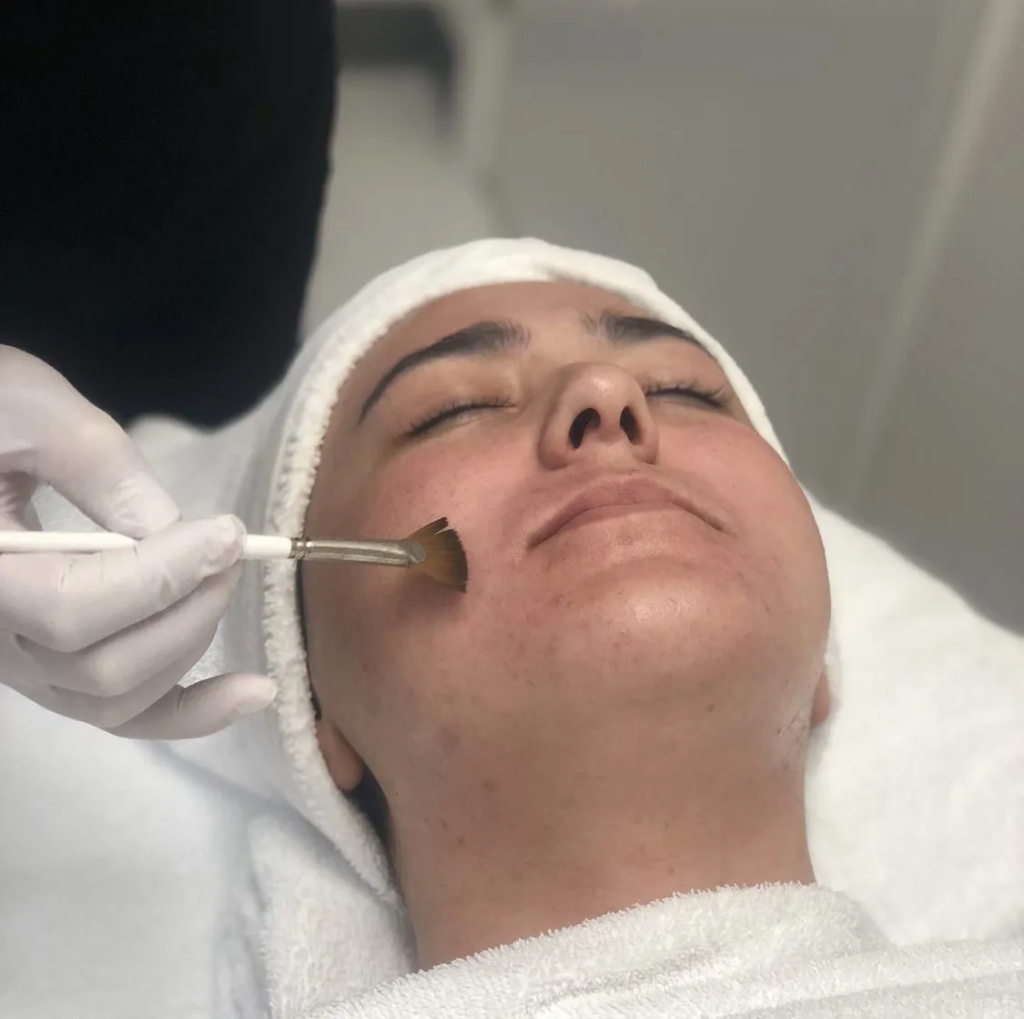
Common Causes of Dark Spots
- Cumulative sun exposure Years of UV radiation stimulate melanocytes to overproduce pigment in concentrated clusters, resulting in sun spots that become more visible with age.
- Post-inflammatory hyperpigmentation (PIH) After any inflammatory event acne, eczema, a cut, or a burn the skin can deposit excess melanin at the site of healing, leaving behind dark marks that linger for months or years.
- Hormonal influences Fluctuations in estrogen, progesterone, or thyroid hormones can increase melanin production, contributing to hormonally driven discolouration that overlaps with conditions like melasma.
- Skin aging As the skin ages, melanocyte distribution becomes less uniform, leading to irregular pigment deposits that manifest as age spots and freckling across sun-exposed areas.
- Medication side effects Certain antibiotics, anti-seizure drugs, chemotherapy agents, and non-steroidal anti-inflammatory medications can cause photosensitivity and drug-induced hyperpigmentation.
- Environmental pollutants Airborne particulate matter and blue light from screens have been shown in recent research to contribute to oxidative stress in skin cells, potentially accelerating pigment irregularities.