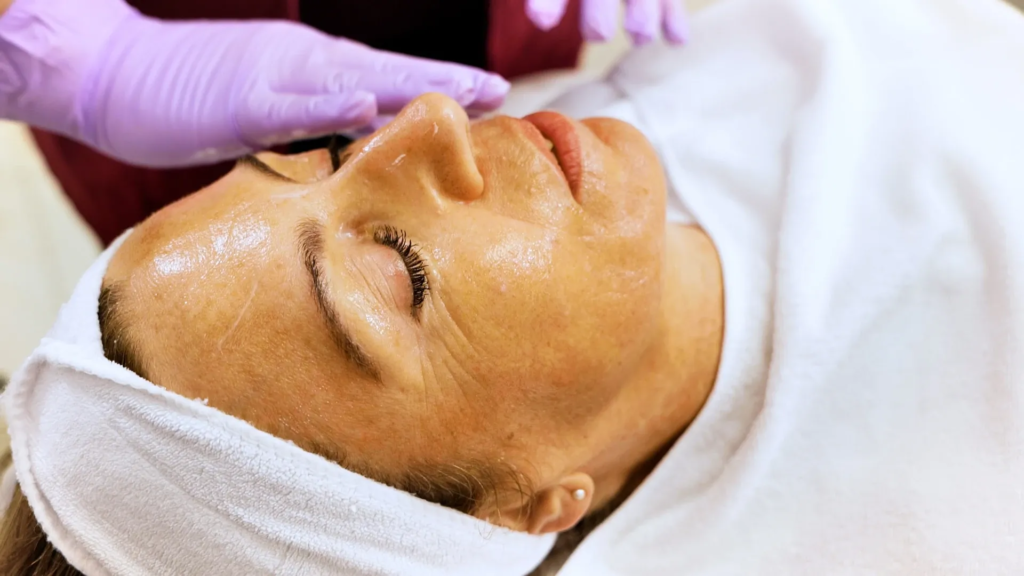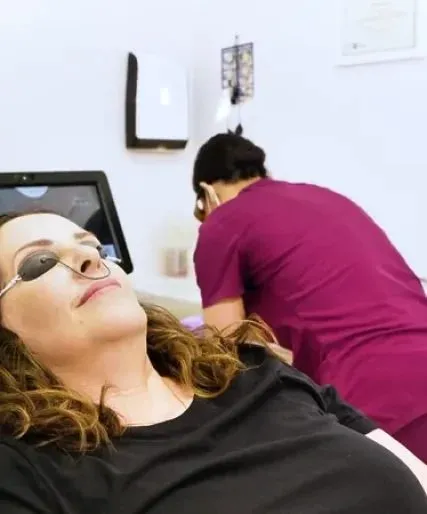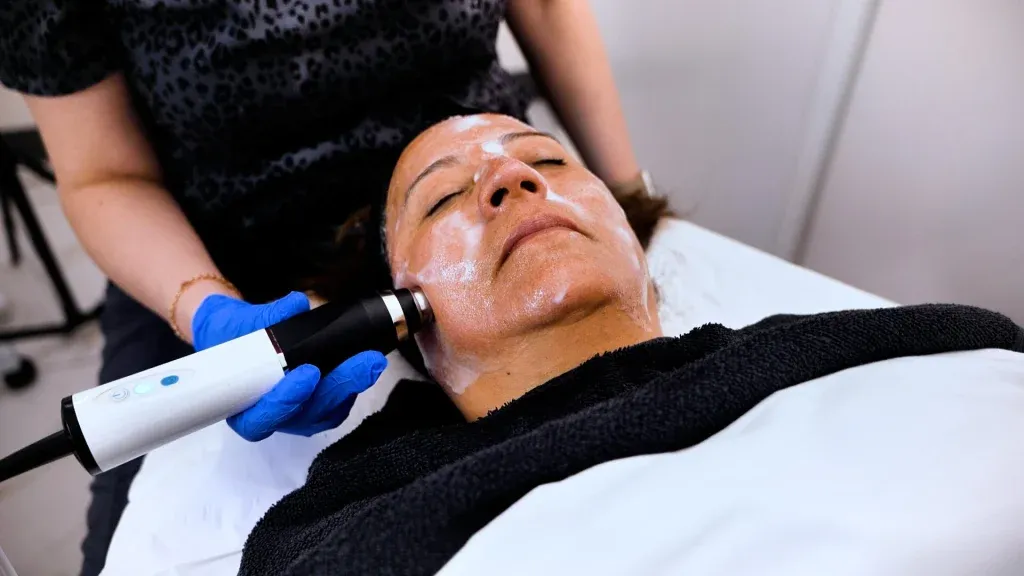
What Is Skin Tightening?

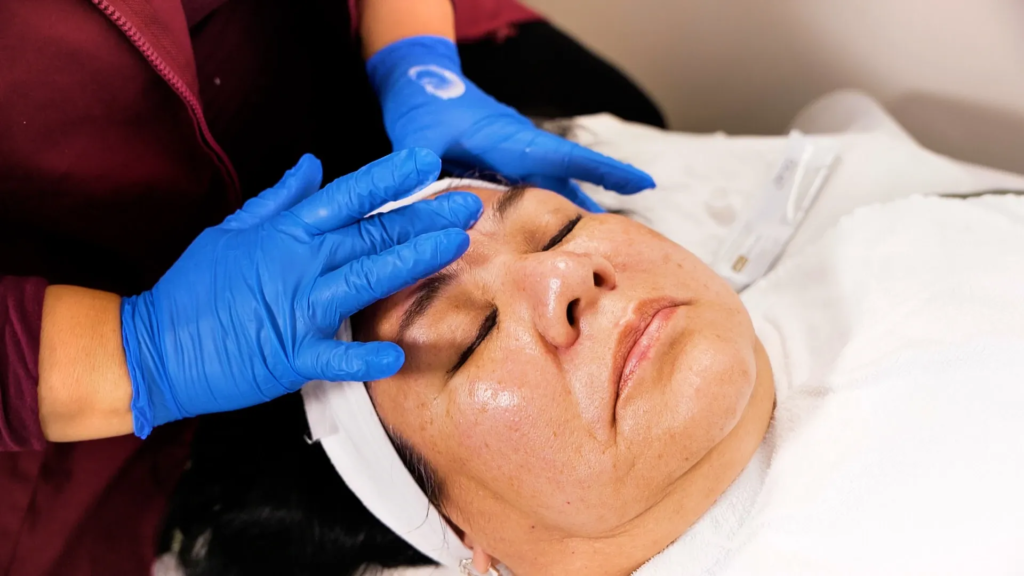
Who Gets Skin Laxity?
Loss of skin firmness is a universal concern that accelerates at different rates depending on individual factors:
- Adults over 35 Collagen production begins declining as early as the mid-twenties, but visible laxity typically becomes noticeable in the mid-thirties and progresses steadily from there.
- Post-menopausal women The sharp drop in estrogen during and after menopause accelerates collagen loss dramatically, with studies showing up to 30% reduction in skin collagen within the first five postmenopausal years.
- Individuals who have lost significant weight Rapid or substantial weight loss can leave behind loose, deflated skin that lacks the elasticity to snap back to its former shape.
- Sun-worshippers and outdoor enthusiasts Chronic UV exposure breaks down collagen and elastin fibres, leading to premature sagging often referred to as photoaging.
- Smokers and former smokers Tobacco use restricts blood flow to the skin and generates free radicals that accelerate the degradation of collagen and elastin, contributing to early-onset laxity.
If you’ve noticed sagging along the jawline, neck, or cheeks or your skin simply doesn’t feel as firm as it once did professional skin tightening can make a dramatic difference.
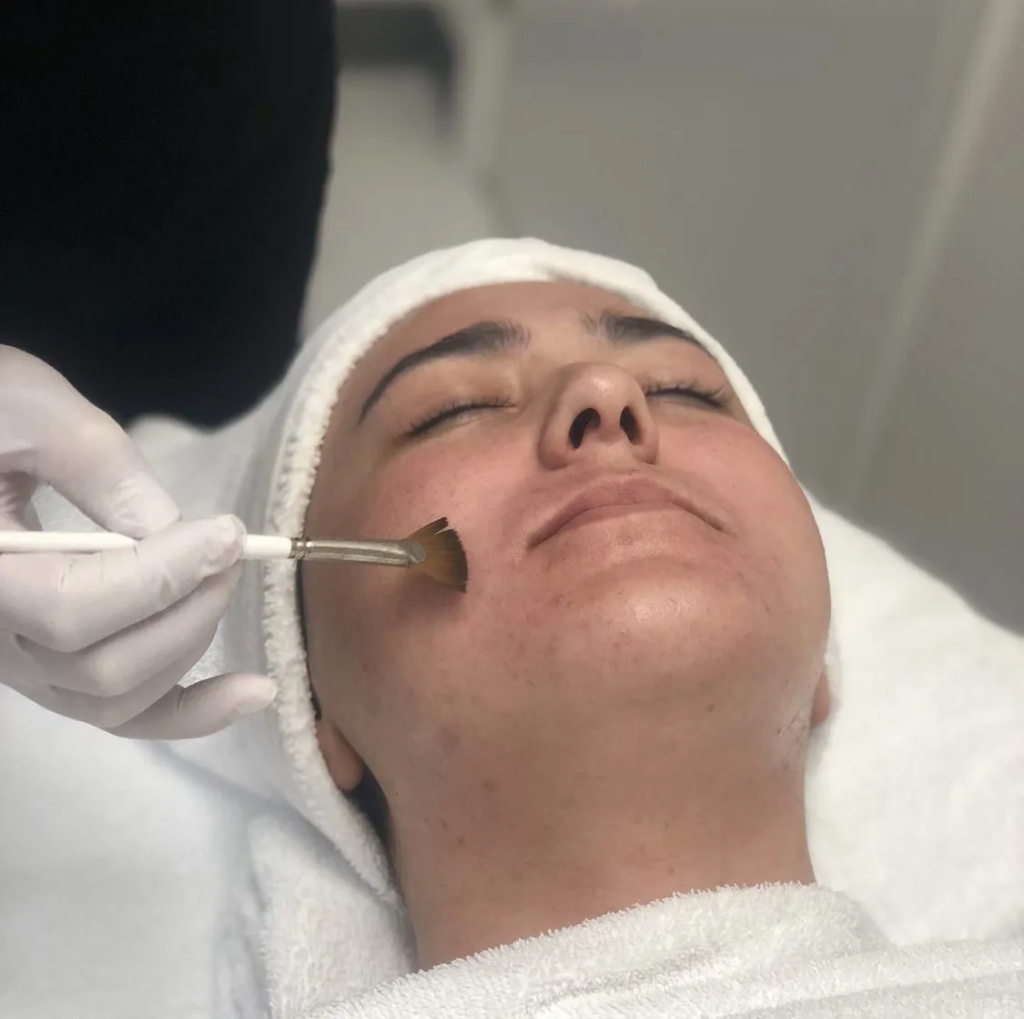
Common Causes of Skin Laxity
- Age-related collagen decline After the age of 25, the body produces approximately 1% less collagen each year, gradually weakening the internal scaffolding that keeps skin firm and lifted.
- Elastin degradation Elastin fibres, which allow skin to stretch and bounce back, become fragmented and less functional over time, leading to sagging and loss of resilience.
- Chronic UV exposure Ultraviolet radiation penetrates the dermis and actively destroys collagen and elastin fibres, making sun damage one of the leading causes of premature skin laxity.
- Hormonal changes Declining levels of estrogen, testosterone, and growth hormone reduce the body's capacity to synthesize new collagen and maintain structural skin proteins.
- Gravity Over decades, the constant downward pull of gravity contributes to soft tissue descent, particularly in areas like the jowls, neck, and around the eyes.
- Weight fluctuations Repeated cycles of weight gain and loss stretch the skin beyond its elastic capacity, making it progressively harder for the tissue to retract fully.