
What Is Melasma?

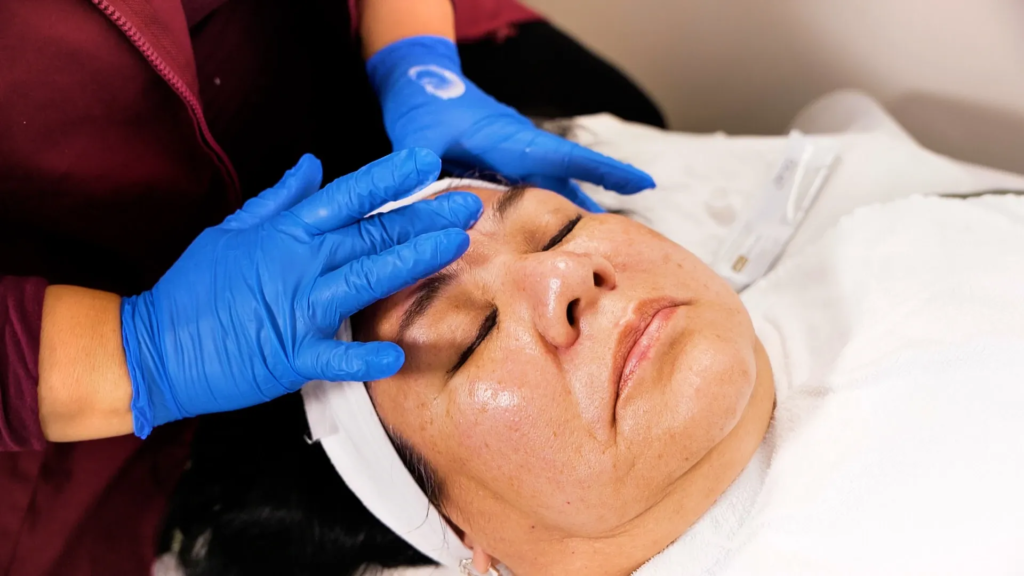
Melasma is a pigmentation disorder that produces symmetrical patches of brown, tan, or grayish-brown discolouration most commonly across the forehead, cheeks, upper lip, chin, and bridge of the nose. Unlike a simple sunspot, melasma is driven by a complex interplay of hormones, UV exposure, and genetics, making it one of the most stubborn hyperpigmentation conditions to manage. Professional treatment combined with a disciplined skincare routine offers the most effective path toward a clearer, more even complexion.

Professional Melasma Care You Can Trust

Skin Blossom Pro’s certified skin specialists bring focused expertise to melasma management at our North Vancouver clinic. We recognize that melasma requires a careful, measured approach and aggressive treatments can actually worsen pigmentation in reactive skin. That’s why every protocol we design prioritizes controlled, gradual improvement using clinically validated techniques and pigment-targeting technologies. Our team evaluates your melasma depth, skin type, and contributing factors before recommending a customized treatment strategy built for long-term results, not temporary fixes.

Common Causes of Melasma

Melasma develops when melanocytes, the pigment-producing cells in your skin become overactive. Several interconnected factors contribute to this:

  • Ultraviolet radiation Sun exposure is the single most significant trigger for melasma, as UV rays stimulate melanocyte activity and darken existing patches rapidly, even through cloud cover and windows.
  • Hormonal changes Elevated estrogen and progesterone levels during pregnancy, while using oral contraceptives, or during hormone therapy directly increase melanin synthesis in the skin.
  • Heat exposure Infrared radiation and ambient heat from cooking, saunas, hot yoga, and even prolonged screen exposure can trigger melasma independently of UV light.
  • Genetic predisposition Family history is one of the strongest predictors of melasma, indicating that inherited melanocyte sensitivity plays a foundational role in who develops the condition.
  • Inflammation and skin irritation Post-inflammatory responses from harsh products, aggressive treatments, or skin injuries can stimulate pigment overproduction in melasma-prone skin.
  • Thyroid dysfunction Emerging research has linked thyroid irregularities to melasma onset, suggesting that broader hormonal imbalances beyond reproductive hormones may contribute.
Types of Melasma We Treat

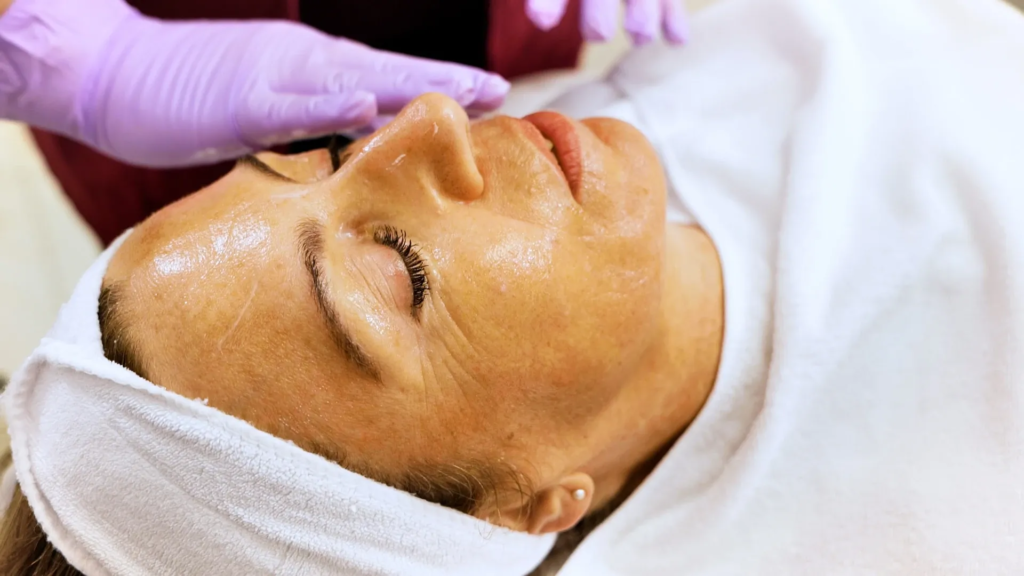
Melasma is classified by the depth at which excess pigment sits within the skin, which directly influences the treatment approach:


  • Epidermal melasma Pigment is concentrated in the outermost skin layer, appearing as well-defined, dark brown patches. This type generally responds best to topical and surface-level treatments.
  • Dermal melasma Pigment sits deeper within the dermis, presenting as bluish-gray or diffuse discolouration with less defined borders. Dermal melasma is more resistant to treatment and requires sustained effort.
  • Mixed melasma The most common presentation, with pigment deposited across both the epidermis and dermis, creating patches that vary in shade and depth across the face.
  • Centrofacial pattern Melasma across the forehead, cheeks, nose, upper lip, and chin the most frequently seen distribution pattern.
  • Malar pattern Melasma concentrated primarily on the cheekbones and nose, often seen in milder or early-stage cases.

Advanced Melasma Treatments at Skin Blossom Pro

Our North Vancouver clinic offers carefully selected treatments proven to address melasma without triggering rebound pigmentation:


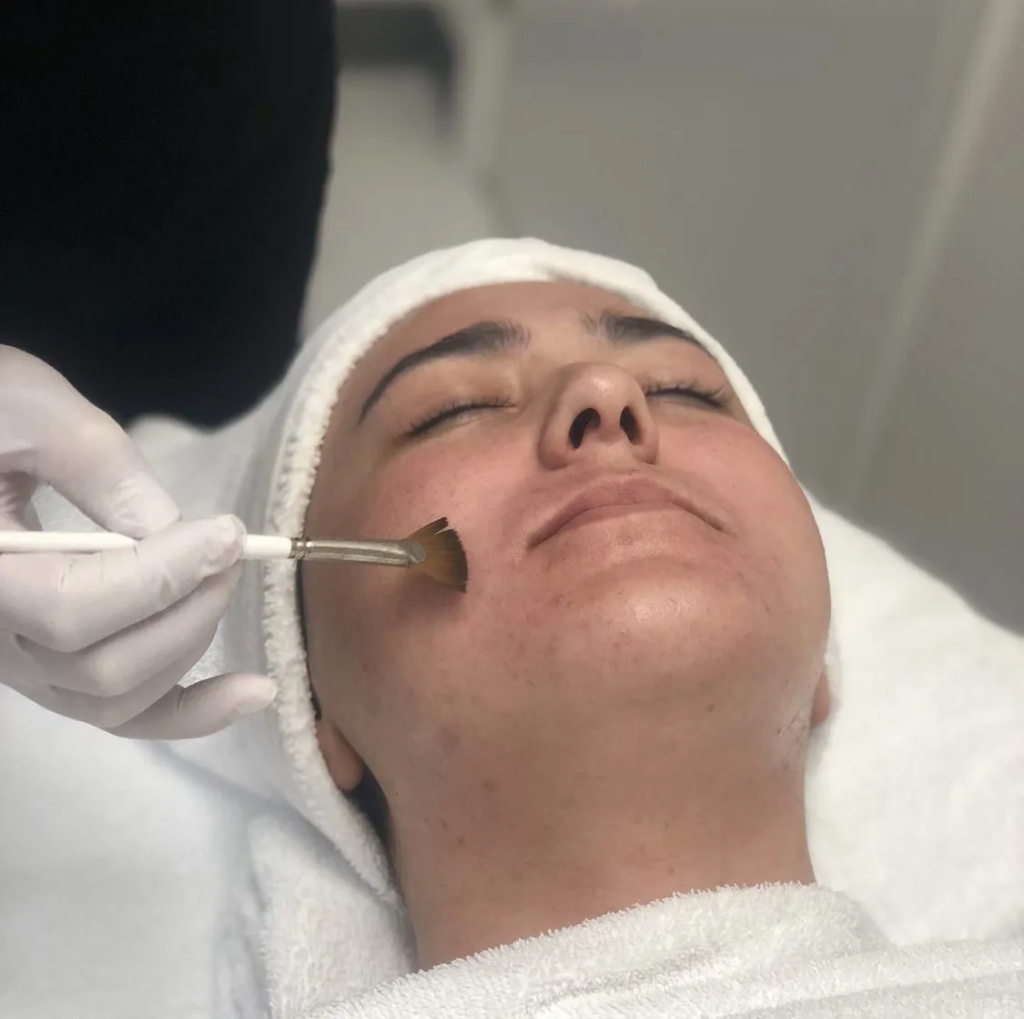
  • Chemical Peels Controlled-depth peels using mandelic, lactic, or modified Jessner solutions exfoliate pigmented surface cells and promote fresh, evenly toned skin over a progressive treatment series.
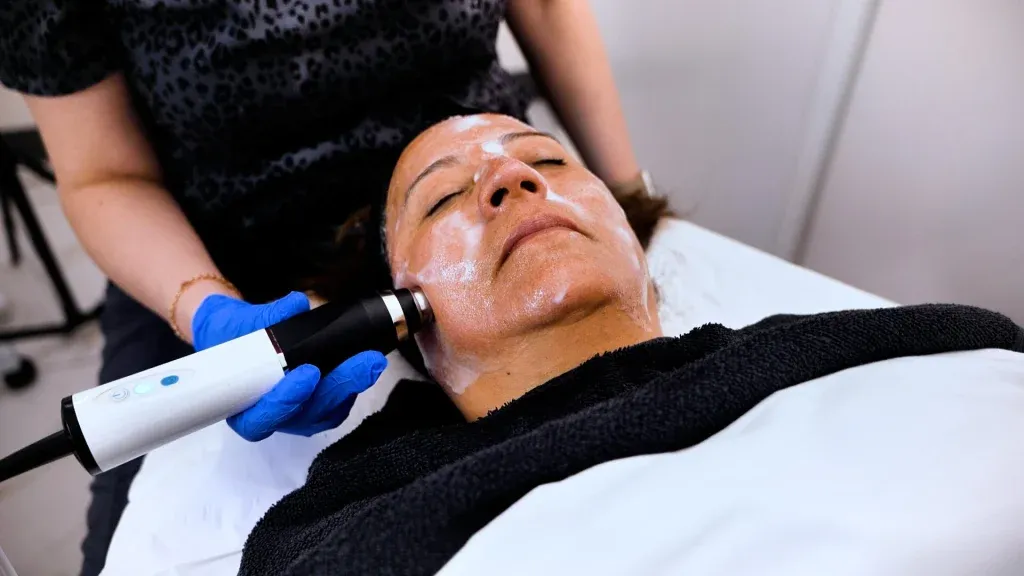
  • OxyGeneo facial A gentle yet effective resurfacing treatment that combines exfoliation with active ingredient infusion, helping to brighten and even out melasma-affected skin without the harsh stimulation that risks post-inflammatory darkening.
  • Microneedling Precision micro-channels created in the skin enhance the penetration of brightening serums and stimulate collagen remodeling, gradually lightening pigmented patches from within.
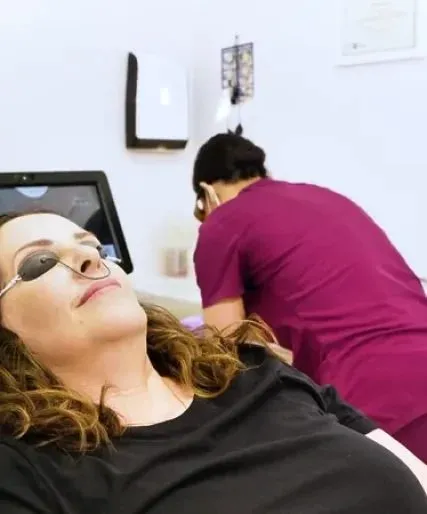
  • IPL Photofacial Broad-spectrum light energy selectively targets melanin clusters, breaking them apart so the body can naturally clear excess pigment. IPL is used conservatively for melasma to avoid overstimulation.
  • LED Light Therapy Specific LED wavelengths help regulate melanocyte activity and reduce inflammation that contributes to pigment overproduction, supporting a calmer, more balanced complexion.

Ready to address your melasma with expert guidance? Schedule a consultation at Skin Blossom Pro and let our North Vancouver team build a treatment plan tailored to your skin’s specific needs.

Let's Get  Started