
What Is Skin Fungus?
Skin fungus treatment in North Vancouver starts with a correct diagnosis. At Skin Blossom Pro, our dermatology-led team assesses itchy, scaly or discoloured patches, identifies whether the cause is a fungal infection such as ringworm, athlete’s foot or tinea versicolor, and explains the treatment that fits your skin.
Fungal rashes are easy to confuse with eczema, dermatitis and keratosis pilaris — they itch and scale in similar ways, so photographs and guesswork are not enough. Treating the wrong condition costs weeks and can make the rash spread.
Professional Skin Fungus Care You Can Trust
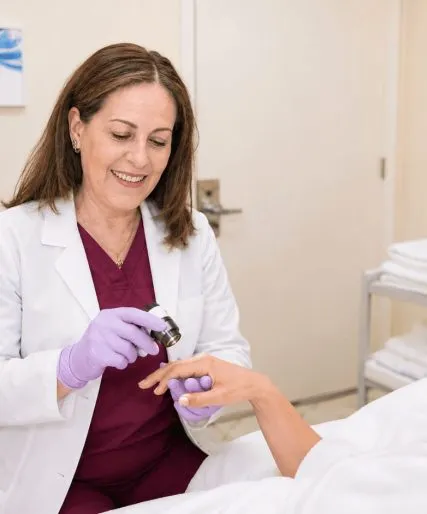
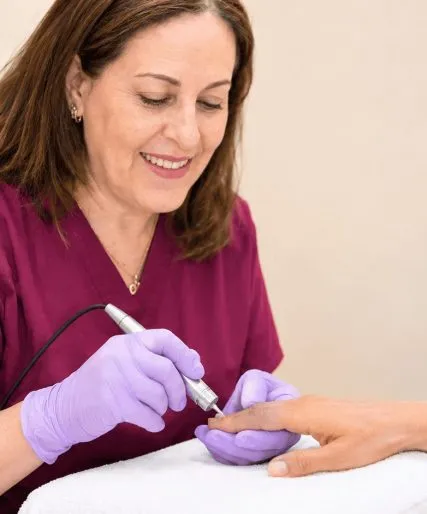
At your appointment, our team examines the affected skin, reviews what you have already tried and explains the treatment route and what it costs. If your case needs prescription medication or a family physician’s involvement, you will be told that directly rather than sold a treatment that will not help.
Who Gets Skin Fungus?
Fungal skin infections are common — they affect up to 20 to 25 percent of people worldwide at any given time. North Vancouver’s climate adds its own pressure:
- Trail and gym-goers Wet trail shoes from Grouse and Mount Seymour, damp gym bags and shared change rooms keep skin warm and moist, exactly what fungus needs.
- Households sharing towels or footwear Ringworm and athlete’s foot spread through skin contact and shared towels, mats and footwear, including from pets.
- Anyone with eight months of rain to contend with Persistently damp conditions mean fungal infections here often come back through footwear and towels rather than because the medication failed.
- People with naturally oily or yeast-prone skin Tinea versicolor comes from an overgrowth of yeast that already lives on your own skin, unrelated to hygiene.
Common Causes of Skin Fungus
Most fungal skin infections involve dermatophytes — the group of fungi behind ringworm and athlete’s foot — or an overgrowth of Malassezia yeast. The treatment depends on which one you have and where it sits:
- Warm, moist conditions Wet trail shoes, damp gym bags and shared change rooms keep skin warm and moist, exactly the environment dermatophytes need to thrive.
- Shared towels and footwear Ringworm and athlete's foot spread through skin contact and shared towels, mats, footwear and change room floors, including from pets.
- Natural yeast overgrowth Tinea versicolor does not spread between people — it comes from yeast already living on your own skin, triggered by heat, humidity or oily skin.
- Nail and scalp involvement Creams cannot reach fungus under a nail plate or inside a hair follicle, so infections there need a different, usually oral, treatment route.
- Steroid cream misuse Applying steroid cream to an undiagnosed rash calms the itch while letting the fungus spread, producing an altered, hard-to-recognize picture.

Types of Skin Fungus We Assess
The right approach depends on the diagnosis:
- Ringworm (body & arms) A ring-shaped, scaly patch that usually responds to about two to four weeks of topical antifungal treatment.
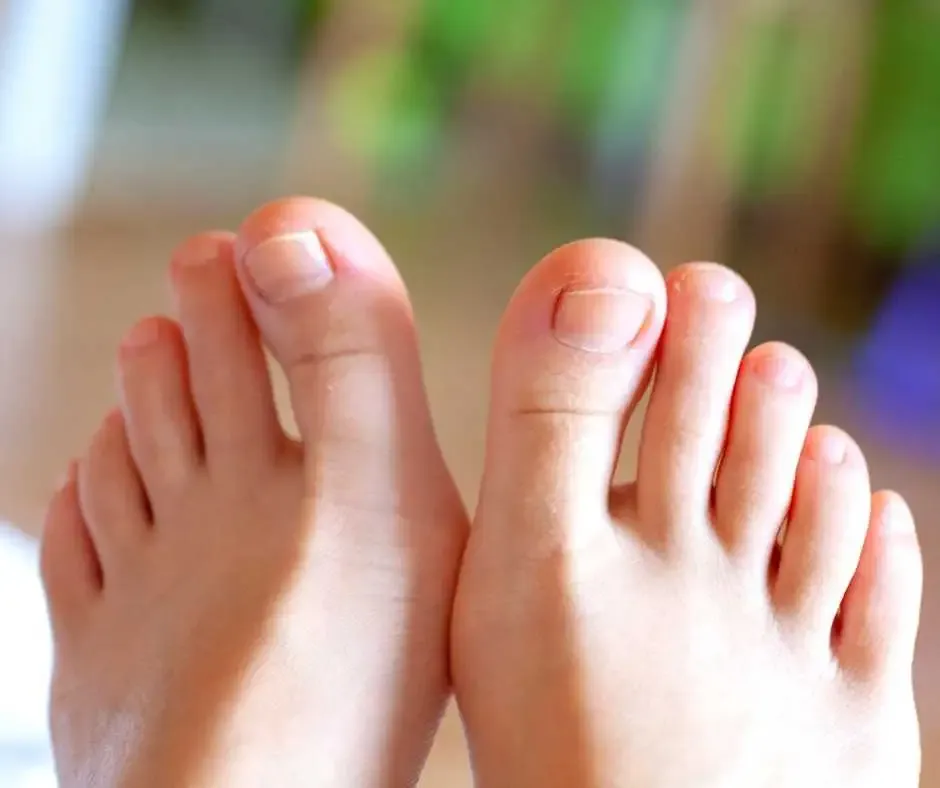
- Athlete’s foot (feet & toes) Itching, peeling skin between the toes, often picked up in shared showers and change rooms, treated on a similar timeline to ringworm.
- Tinea versicolor (skin tone) Uneven, discoloured patches from a yeast overgrowth — clears quickly, but the uneven tone can take months to even out.
- Nail & scalp fungus Slower-growing infections that generally need oral prescription medication because creams cannot reach under a nail plate or into a hair follicle.
Skin Conditions We Also Assess
Fungal rashes are regularly mistaken for other inflammatory skin conditions. If the cause of your rash isn’t clear, our team can also assess: